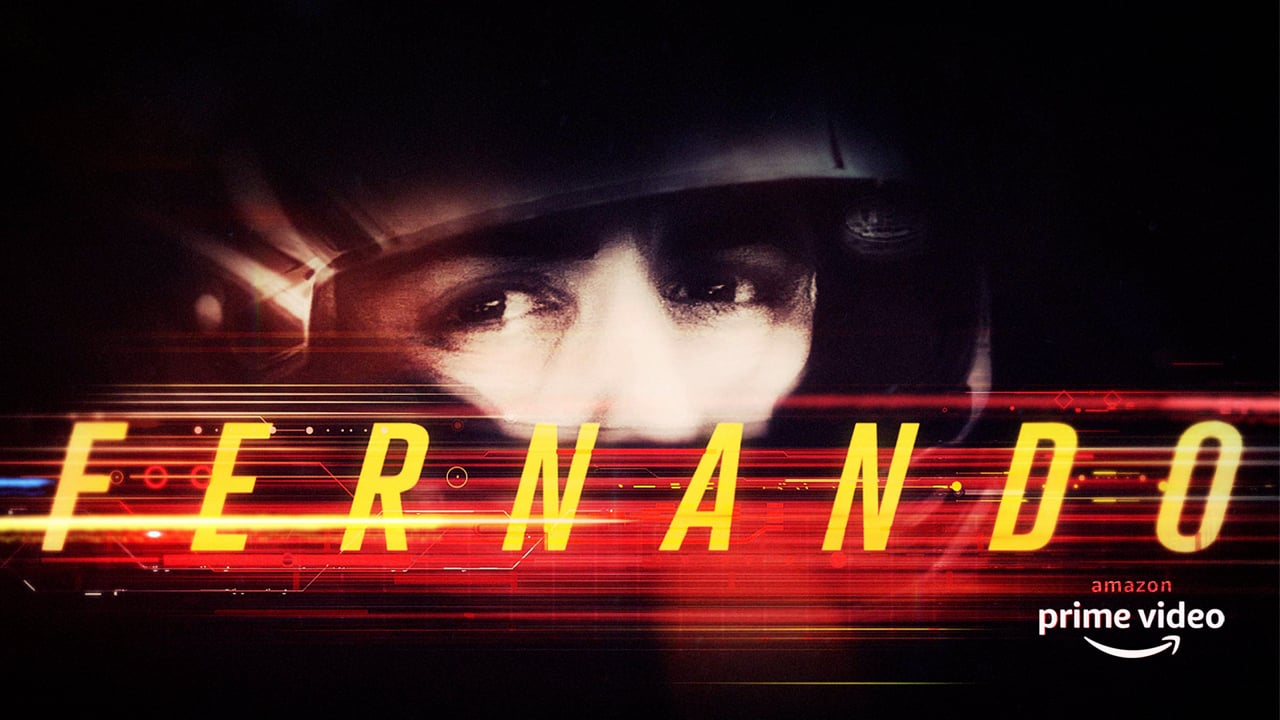
For the first three episodes of Amazon’s Fernando, Gabriele Stifani shaped the cinematography and camera work while Luca Stifani recorded the series’ production sound.
This is a condensed English editorial translation and adaptation of the interview originally published in Italian by Movieplayer.it. The complete original remains available from the source link above.
Fernando official trailer. Gabriele Stifani: DOP / Camera. Luca Stifani: Sound Mixer.
01 · The collaboration
Trust built before Amazon
The road to Fernando began with director Enric Folch. Years spent together on the independent documentary The Devil on Wheels created a relationship grounded in friendship, endurance and trust.
When Folch joined All or Nothing: Manchester City, he brought the brothers into the production. Fernando became their second collaboration with Amazon and the next step for a compact team accustomed to saying yes to unfamiliar responsibilities.
02 · Cinematography
Close enough to feel it, far enough to disappear
The series moved quickly through changing locations, so the camera package had to remain light. A Canon C300 Mark II and long lenses allowed Gabriele to isolate faces, hands and small gestures while keeping enough distance for the subjects to forget the camera.
A stabilised Lumix GH5 entered crowded or restricted spaces, while an Alexa Mini supported key race coverage at Indianapolis and Le Mans. The visual aim stayed constant: fluid, immediate images that placed the audience inside the action without breaking the documentary’s intimacy.
03 · Production sound
Recording power without losing intimacy
Race engines created extreme sound levels, so Luca worked with staggered recording levels to preserve both the aggression and texture of the cars. At Le Mans, the contrast between electric pit-lane movement and full-power acceleration became part of the experience.
Sound also reached places cameras could not. Radio microphones and long microphones maintained proximity when the image team had to stay distant—or when filming access was restricted—making audio an essential narrative point of view.
04 · One chance
Ready before the moment arrives
Moving continuously between airports, races and unfamiliar locations meant carrying lenses, batteries and action cameras on the body. With no tripod and very little time to change lenses, each technical choice had to anticipate an event that could not be repeated.
When noise made speech impossible, Gabriele relied on instinct and a visual language developed with Luca and Enric. Their glances became a quiet system for reading the scene and deciding where the next moment might happen.
05 · Communication
A small crew across a very large track
Luca devised a Bluetooth monitoring system that sent sound from his mixer to the director and camera team. At Indianapolis and Le Mans, engine noise and radio interference made even simple instructions difficult, so communication had to remain direct and economical.
He also coordinated with event sound teams to capture broadcast and racing-team feeds, sometimes monitoring three at once. The Le Mans assignment stretched to 32 hours including pre- and post-race filming, requiring a second unit and relay-style rest periods.
06 · The human story
Beyond the figure of a champion
The brothers entered the project knowing Fernando Alonso mainly by reputation. Working close to him revealed a friendly, human presence behind the scale of his sporting achievement—and gave them a new appreciation for motor racing.
The interview also looks further back: childhood films made in Salento, family influences, study in Newcastle and the long move toward London. That history of restarts and sacrifice sits behind the confidence needed to work fast, carry responsibility and keep pursuing larger cinematic ambitions.
Read the complete interview
Original Italian interview by Antonio Cuomo, published by Movieplayer.it on 30 September 2020. All interview reporting and production recollections are credited to the original feature.
Nei primi tre episodi di Fernando per Amazon, Gabriele Stifani ha curato fotografia e riprese, mentre Luca Stifani ha registrato il suono di presa diretta della serie.
Questa è un’edizione editoriale condensata dell’intervista pubblicata originariamente in italiano da Movieplayer.it. L’articolo completo è disponibile attraverso il link alla fonte.
Trailer ufficiale di Fernando. Gabriele Stifani: DOP / Camera. Luca Stifani: Sound Mixer.
01 · La collaborazione
La fiducia costruita prima di Amazon
Il percorso verso Fernando è iniziato con il regista Enric Folch. Gli anni trascorsi insieme sul documentario indipendente The Devil on Wheels hanno creato un rapporto fondato su amicizia, resistenza e fiducia.
Quando Folch è entrato in All or Nothing: Manchester City, ha coinvolto i fratelli nella produzione. Fernando è diventata la loro seconda collaborazione con Amazon e il passo successivo per un gruppo compatto abituato ad accettare responsabilità sempre nuove.
02 · Fotografia
Abbastanza vicini da sentirlo, abbastanza lontani da scomparire
La serie si spostava rapidamente tra ambientazioni diverse, quindi il pacchetto camera doveva restare leggero. Una Canon C300 Mark II e le ottiche lunghe permettevano a Gabriele di isolare volti, mani e piccoli gesti, mantenendo la distanza necessaria perché i soggetti dimenticassero la presenza della camera.
Una Lumix GH5 stabilizzata entrava negli spazi affollati o limitati, mentre una Alexa Mini supportava le riprese principali a Indianapolis e Le Mans. L’obiettivo visivo restava costante: immagini fluide e immediate, dentro l’azione ma fedeli all’intimità del documentario.
03 · Suono di presa diretta
Registrare la potenza senza perdere l’intimità
I motori da gara generavano livelli sonori estremi, perciò Luca ha lavorato con livelli di registrazione sfalsati, preservando sia l’aggressività sia la trama sonora delle auto. A Le Mans, il contrasto tra il movimento elettrico ai box e l’accelerazione a piena potenza è diventato parte dell’esperienza.
Il suono raggiungeva anche luoghi inaccessibili alle camere. Radiomicrofoni e microfoni lunghi mantenevano la prossimità quando il reparto immagine doveva restare distante o non aveva accesso, trasformando l’audio in un punto di vista narrativo essenziale.
04 · Una sola occasione
Essere pronti prima che arrivi il momento
Muoversi continuamente tra aeroporti, gare e luoghi sconosciuti significava portare addosso ottiche, batterie e action cam. Senza treppiede e con pochissimo tempo per cambiare lente, ogni scelta tecnica doveva anticipare un evento irripetibile.
Quando il rumore rendeva impossibile parlare, Gabriele si affidava all’istinto e al linguaggio visivo sviluppato con Luca ed Enric. I loro sguardi diventavano un sistema silenzioso per leggere la scena e intuire dove sarebbe accaduto il momento successivo.
05 · Comunicazione
Una piccola troupe su una pista enorme
Luca ha ideato un sistema di monitoraggio Bluetooth che inviava il suono dal mixer al regista e al reparto camera. A Indianapolis e Le Mans, il rumore dei motori e le interferenze radio rendevano difficili anche le indicazioni più semplici, quindi la comunicazione doveva essere diretta ed essenziale.
Ha inoltre collaborato con i tecnici degli eventi per acquisire i feed della trasmissione e delle scuderie, a volte monitorandone tre contemporaneamente. Il lavoro a Le Mans è durato 32 ore includendo pre e post gara, con una seconda unità e turni di riposo organizzati come una staffetta.
06 · La storia umana
Oltre la figura del campione
I fratelli sono entrati nel progetto conoscendo Fernando Alonso soprattutto per la sua reputazione. Lavorare vicino a lui ha rivelato una presenza amichevole e umana dietro la grandezza del campione, portandoli anche ad apprezzare il mondo delle corse.
L’intervista guarda anche più indietro: i film girati da bambini nel Salento, le influenze familiari, gli studi a Newcastle e il lungo percorso verso Londra. Una storia di ripartenze e sacrifici che sostiene la sicurezza necessaria per lavorare velocemente, assumersi responsabilità e continuare a inseguire ambizioni cinematografiche più grandi.
Leggi l’intervista completa
Intervista originale in italiano di Antonio Cuomo, pubblicata da Movieplayer.it il 30 settembre 2020. Il racconto e i ricordi di produzione sono accreditati all’articolo originale.