
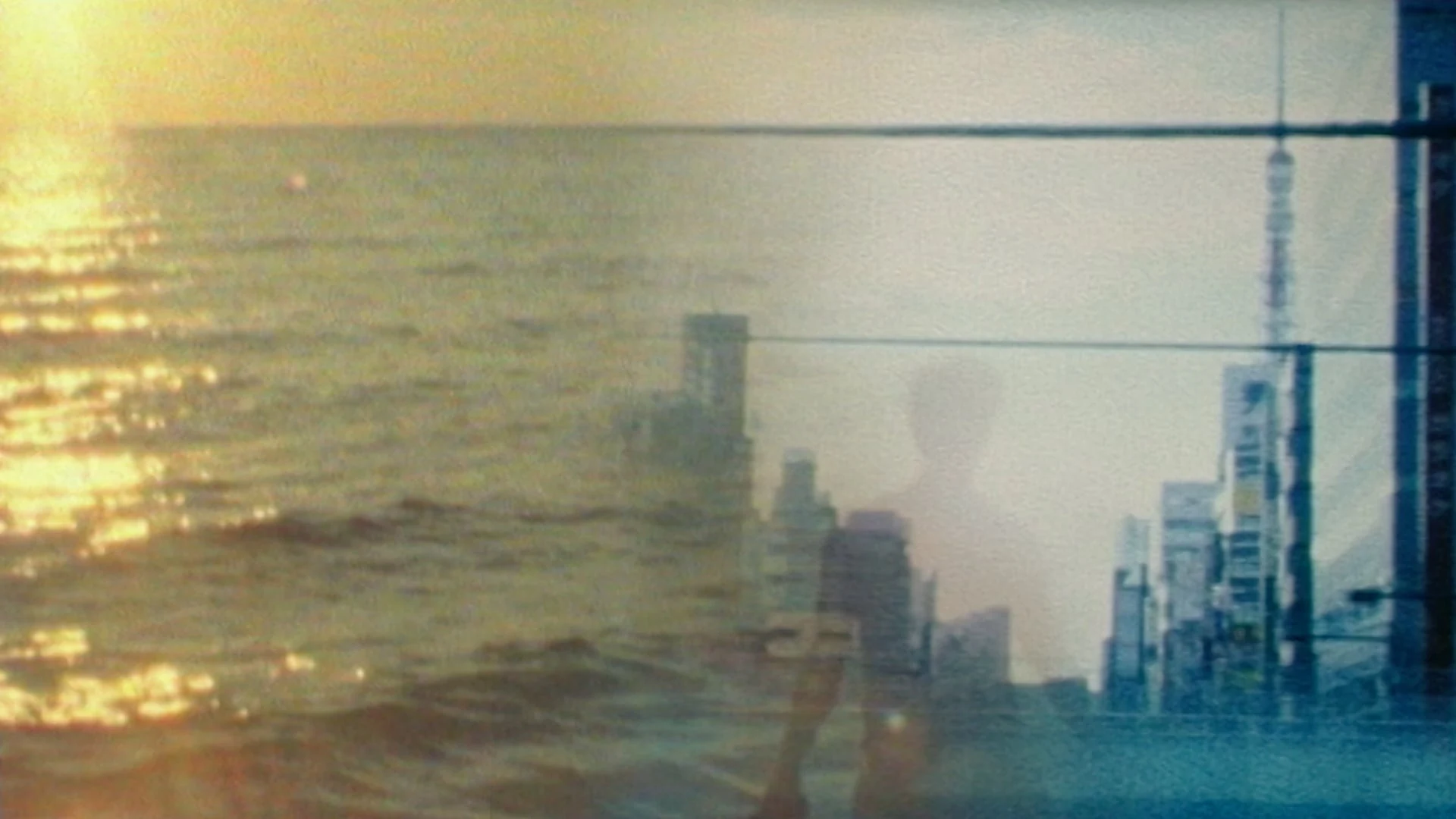
Film · 2011 / Exhibition · 2025
Threads: One Roll of Film, Fourteen Years of Memory
How a wind-up Super 8 camera, a nine-minute reel and the discipline of no retakes became a meditation on memory.
Film · 2 minutes 53 seconds
Watch the video
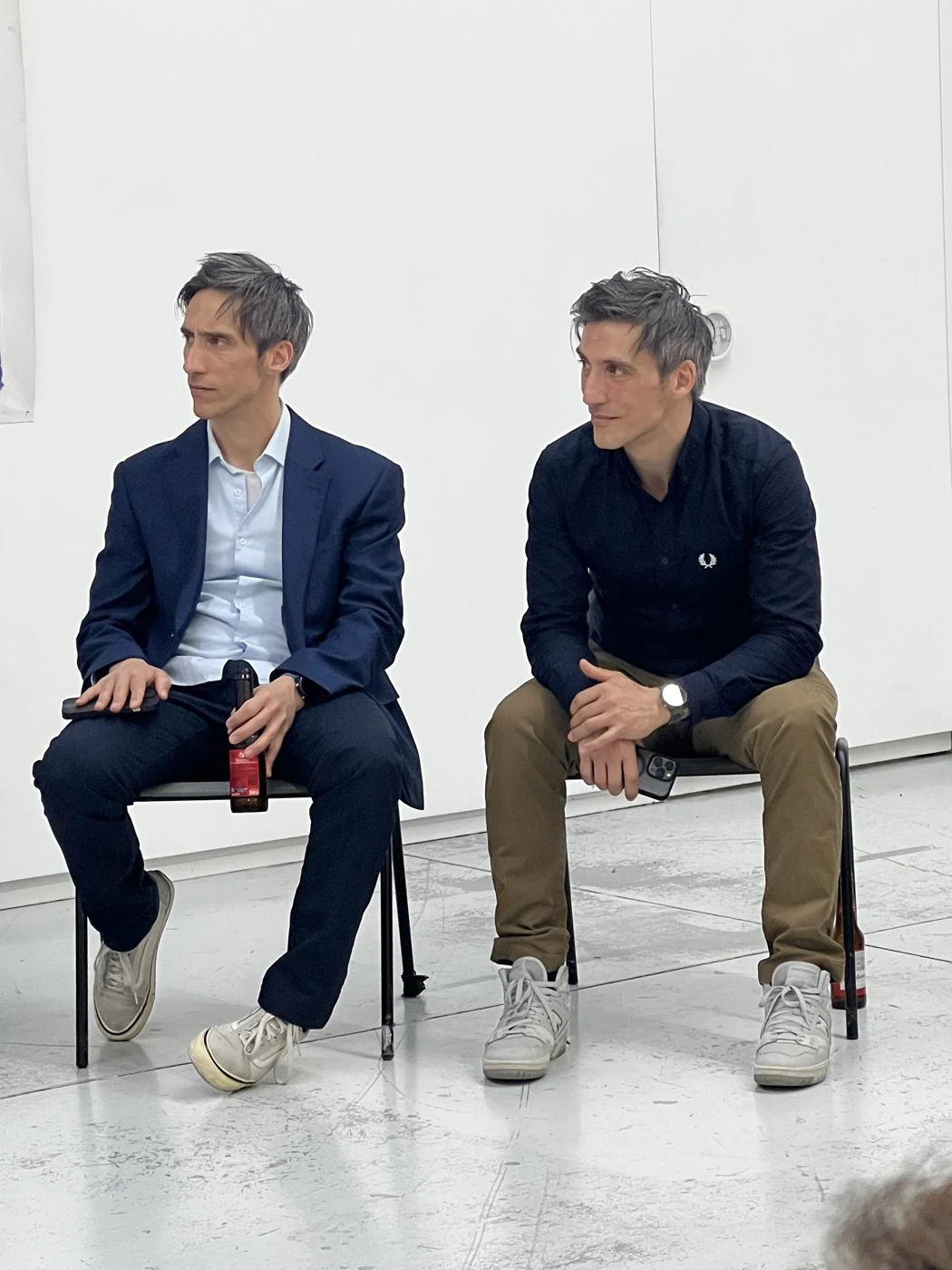
Before Threads became a film, it was a physical limit: one expensive roll of Super 8, roughly nine minutes long, inside a wind-up camera.
We made the film in an age already defined by digital speed. At a moment of financial struggle, buying film stock was not a nostalgic gesture; it was a wager. Every press of the trigger spent something scarce. Every image had to be chosen before it could be seen.
There was no screen for an immediate verdict, no waveform to rescue the exposure and no second take waiting behind the first. We travelled across countries with the camera and let people, spaces and fleeting actions become the catalysts. The method asked for trust: in observation, in instinct and in imperfection.
“As humans, we often value what is scarce. The nine-minute film reel became our most precious possession.”
Meaning between the frames
The finished film lasts two minutes and fifty-three seconds. Its original Vimeo note describes “a juxtaposition of uninflected shots, linked together through threads of space and time.” That restraint is the film’s structure. A face, a street, a movement or a patch of light may seem neutral alone; placed beside another image, it begins to lean, answer and remember.
We were thinking about Sergei Eisenstein’s montage theory and the Kuleshov effect: meaning does not have to live inside an isolated frame. It can arrive in the cut—the collision and combination of images. The raw footage was silent, but the edit gave those fragments a new pulse, set to Takeharu Ishimoto’s “A Changing Situation” from Crisis Core – Final Fantasy VII.
The moments became dreamlike not because they escaped reality, but because montage changed the way they could be recalled. The camera recorded what passed in front of it. The edit created the memory.
The film becomes a memory
Threads was uploaded in July 2011. Fourteen years later, it returned to public view inside The Flux of Memory at ASC Gallery in London. By then the film had acquired a second subject: its own survival through time.
A work made by refusing digital immediacy had waited, aged and resurfaced in an exhibition about unstable recollection. The finite reel had become an artefact of the very thing it explored—something remembered, re-seen and assembled differently by a later moment.
From the gallery wall
Our statement for Threads
In an era of digital immediacy and irrational speed, we step back—limiting how we capture moments, how we capture time. In a moment of financial struggle, we invested in expensive film stock to challenge our instincts and observations.
As humans, we often value what is scarce. The nine-minute film reel became our most precious possession.
We travelled with a winding camera and a finite roll of film, capturing only what felt right. No screens for immediate review. No visual waveforms to guide exposure. No retakes. We had to trust ourselves—embracing vision, intuition, imperfection. People, spaces, fleeting actions—these became the catalysts of the project.
These moments became dreams. The act of filming itself ephemeral.
Inspired by Sergei Eisenstein’s montage theory, we edited the raw, silent images, juxtaposing uninflected shots—images that hold no inherent meaning alone but gain significance through contrast: the Kuleshov effect.
We believe meaning in film does not emerge from isolated frames, but from their collision, their combination. Through montage, we create tension, conflict and new ideas, provoking emotion and reshaping the fragile flux of memory.
ASC Gallery · London
The Flux of Memory
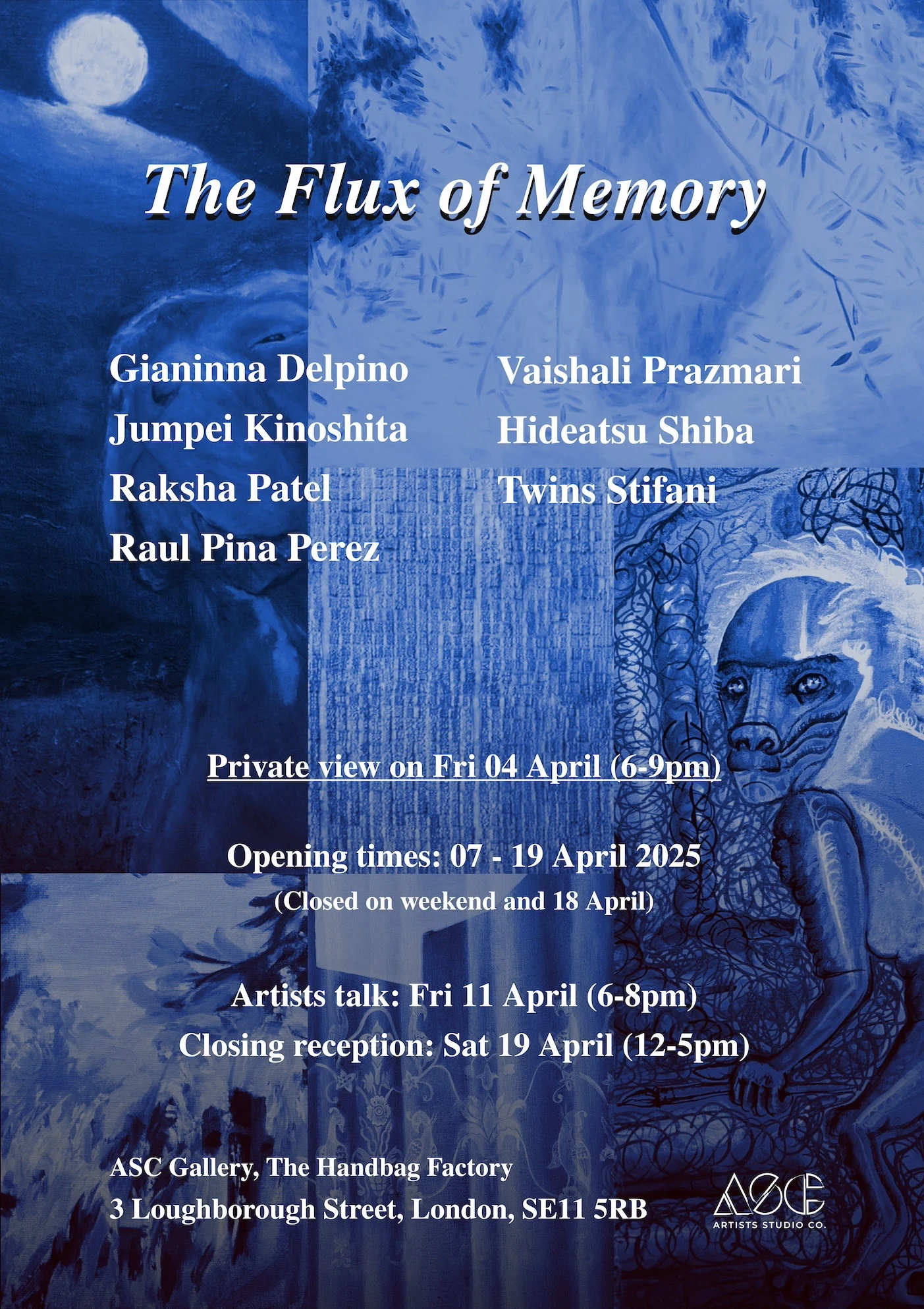
The exhibition formed part of ASC’s 30th anniversary celebrations and was the second curatorial exhibition in the series. Curated by Jumpei Kinoshita and Vaishali Prazmari, it brought together seven artists considering recollection as something fluid, elusive and continually remade.
Alongside Twins Stifani were Gianinna Delpino, Hideatsu Shiba, Jumpei Kinoshita, Raksha Patel, Raúl Pina Perez and Vaishali Prazmari. Their works approached memory through film, painting, archival photographs, cultural fragments, relationships with nature and the lost machinery of language.
ASC described Threads as capturing ephemeral moments across multiple countries—images echoing across time and space and inviting contemplation on the beauty of remembrance. The show ran at ASC Gallery, The Handbag Factory, from 7–19 April 2025, following a private view on 4 April.
Read ASC Studios’ complete exhibition text and follow @ascstudios on Threads.
Film and exhibition
- Watch Threads on Vimeo — original film page, description and credits.
- The Flux of Memory at ASC Gallery — the complete official exhibition text and flyer.
- Twins Stifani on Instagram and ASC Studios on Instagram.
Film · 2 minuti e 53 secondi
Guarda il video
Prima di diventare un film, Threads era un limite fisico: un solo costoso rullo Super 8, lungo circa nove minuti, dentro una cinepresa a molla.
Abbiamo realizzato il film in un’epoca già definita dalla velocità digitale. In un momento di difficoltà economica, acquistare la pellicola non era un gesto nostalgico: era una scommessa. Ogni pressione del grilletto consumava qualcosa di raro. Ogni immagine doveva essere scelta prima di poter essere vista.
Non c’era uno schermo per un verdetto immediato, nessuna forma d’onda a salvare l’esposizione e nessuna seconda ripresa dopo la prima. Abbiamo viaggiato attraverso più Paesi con la cinepresa, lasciando che persone, spazi e azioni fugaci diventassero i catalizzatori del progetto. Il metodo richiedeva fiducia: nell’osservazione, nell’istinto e nell’imperfezione.
«Come esseri umani, spesso attribuiamo valore a ciò che è raro. Il rullo di nove minuti è diventato il nostro bene più prezioso.»
Il significato tra i fotogrammi
Il film finito dura due minuti e cinquantatré secondi. La nota originale su Vimeo lo descrive come «una giustapposizione di inquadrature non connotate, unite da fili di spazio e tempo». Questa essenzialità è la struttura del film. Un volto, una strada, un movimento o una chiazza di luce possono sembrare neutri da soli; accostati a un’altra immagine, cominciano a inclinarsi, rispondersi e ricordare.
Pensavamo alla teoria del montaggio di Sergej Ėjzenštejn e all’effetto Kulešov: il significato non deve necessariamente abitare in un fotogramma isolato. Può arrivare nel taglio, nella collisione e nella combinazione delle immagini. Il materiale originale era muto, ma il montaggio ha dato a quei frammenti un nuovo ritmo, accompagnato da “A Changing Situation” di Takeharu Ishimoto, da Crisis Core – Final Fantasy VII.
I momenti sono diventati simili a sogni non perché si siano allontanati dalla realtà, ma perché il montaggio ha cambiato il modo in cui potevano essere ricordati. La cinepresa ha registrato ciò che le passava davanti. Il montaggio ha creato la memoria.
Il film diventa memoria
Threads è stato pubblicato nel luglio 2011. Quattordici anni dopo è tornato davanti al pubblico all’interno di The Flux of Memory, alla ASC Gallery di Londra. A quel punto il film aveva acquisito un secondo soggetto: la propria sopravvivenza nel tempo.
Un’opera nata dal rifiuto dell’immediatezza digitale aveva atteso, era invecchiata ed era riemersa in una mostra dedicata all’instabilità del ricordo. Il rullo finito era diventato un manufatto della stessa cosa che esplorava: qualcosa di ricordato, rivisto e ricomposto in modo diverso da un momento successivo.
Dalla parete della galleria
La nostra dichiarazione per Threads
In un’epoca di immediatezza digitale e velocità irrazionale, facciamo un passo indietro, ponendo un limite al modo in cui catturiamo i momenti e il tempo. In un momento di difficoltà economica, abbiamo investito in costosa pellicola per mettere alla prova il nostro istinto e la nostra capacità di osservazione.
Come esseri umani, spesso attribuiamo valore a ciò che è raro. Il rullo di nove minuti è diventato il nostro bene più prezioso.
Abbiamo viaggiato con una cinepresa a molla e un rullo di pellicola finito, riprendendo solo ciò che ci sembrava giusto. Nessuno schermo per controllare subito. Nessuna forma d’onda visiva a guidare l’esposizione. Nessuna seconda ripresa. Dovevamo fidarci di noi stessi, accogliendo visione, intuizione e imperfezione. Persone, spazi, azioni fugaci: sono diventati i catalizzatori del progetto.
Questi momenti sono diventati sogni. L’atto stesso di filmare è diventato effimero.
Ispirati dalla teoria del montaggio di Sergej Ėjzenštejn, abbiamo montato le immagini originali e mute, giustapponendo inquadrature non connotate: immagini che da sole non contengono un significato intrinseco, ma lo acquistano attraverso il contrasto, secondo l’effetto Kulešov.
Crediamo che il significato nel cinema non emerga dai fotogrammi isolati, ma dalla loro collisione e combinazione. Attraverso il montaggio creiamo tensione, conflitto e nuove idee, suscitando emozioni e rimodellando il fragile flusso della memoria.
ASC Gallery · Londra
The Flux of Memory
La mostra faceva parte delle celebrazioni per il trentesimo anniversario di ASC ed era la seconda mostra curatoriale della serie. Curata da Jumpei Kinoshita e Vaishali Prazmari, riuniva sette artisti che osservavano il ricordo come qualcosa di fluido, sfuggente e in continua trasformazione.
Insieme a Twins Stifani erano presenti Gianinna Delpino, Hideatsu Shiba, Jumpei Kinoshita, Raksha Patel, Raúl Pina Perez e Vaishali Prazmari. Le loro opere affrontavano la memoria attraverso il film, la pittura, le fotografie d’archivio, i frammenti culturali, il rapporto con la natura e i macchinari perduti del linguaggio.
ASC ha descritto Threads come una raccolta di momenti effimeri ripresi in più Paesi: immagini che riecheggiano nel tempo e nello spazio e invitano a contemplare la bellezza del ricordo. La mostra si è tenuta alla ASC Gallery, The Handbag Factory, dal 7 al 19 aprile 2025, dopo l’anteprima privata del 4 aprile.
Leggi il testo completo della mostra di ASC Studios e segui @ascstudios su Threads.
Film e mostra
- Guarda Threads su Vimeo — pagina originale del film, descrizione e crediti.
- The Flux of Memory alla ASC Gallery — testo ufficiale completo e locandina della mostra.
- Twins Stifani su Instagram e ASC Studios su Instagram.